AI and the Quaker Classic
Adam Suffoletto
Professor Ristow
WRRH 333
15 April 2026
Whether it’s popular or not, artificial intelligence (AI) has become a part of our everyday lives, especially in the professional world. Its speed, efficiency, and accuracy wipe the floor with any human who dares to test it. That’s just the way the world is today. However, it’s well known that it lacks the experience and intuition of a human being. That said, it can serve as a perfect aid for those who use it correctly. In 2024, I was tasked with taking over a failing youth baseball tournament and restoring it to its previous glory. At the time, I had taken zero business courses and had worked no jobs in the business world. Without AI, I would have had a much more difficult time taking this tournament from a sixty-seven team burden to a one hundred and eighty-four team regional event. Its assistance in advertising, financing, and communications not only helped me turn the tide but also helped teach me important lessons I will use for the rest of my life.
For a little context, the tournament I inherited in 2024 was called the Orchard Park Little League Tournament Series. About half a decade prior, it had been one of the premier tournaments in Western New York, but like a lot of events, it fell on hard times after the pandemic. So, at the ripe age of eighteen years old, I joined the Orchard Park Little League Board of Directors and set out to make Orchard Park a desirable tournament destination once again. The first thing I did upon assuming control was to rebrand the tournament. I switched the name to “Quaker Classic,” which I felt was catchier, more memorable, and honestly just more fun. It gave the event a cleaner identity and something people could actually remember and connect with.
Advertising and marketing are skills that are incredibly difficult to learn, especially by just reading about them in a classroom. It takes lots of practice and time to truly get the hang of what works and what does not. With that being said, it is also the primary way to grow a business, and it’s necessary to grow it in a short period of time. So, I got to work with AI to brainstorm ideas on how to grow the tournament. The first thing we discussed was a name change, where we discussed the benefits and downsides of rebranding to the Quaker Classic. After I ended up going forward with the new name, which I liked because it was shorter and catchier, I used it to help refine my first advertisement. At first, I had a lot of text and information, but it helped me trim down the fluff and only get the really important stuff on the page. It got me to put dates, the cost, and how we were different from everyone else. In hindsight, it was incredibly effective. Below, under figure 1, is the original Quaker Classic advertisement in each of the last two seasons:
AI assisted me in just getting the basic info out there in 2025, but in 2026, it helped me add on to it by including visually enticing features, including the emojis and call to action button at the top. That type of growth is essential in continuing to establish an ethos. But after posting these for about six consecutive weeks on Facebook, registrations began to stall out. When I consulted AI about this issue, it recommended I do a graphic based showing the registration progress. Hence, I developed the ones below, under figure 2.
These battery icons that reflect how much space is left in each tournament put a sense of urgency into some of the coaches who were on the fence about registering. While these two examples were taken at the end of each registration period, note that they were changed and posted two to three times a week for about twelve weeks. These ads are an accurate representation of how AI should be used in the world. I was still the one who came up with the designs, the text, the dates, and all the other important info. But in using AI, I was able to make the essential tweaks to bring these to the next level. And if it can do that for a baseball tournament, imagine the effects it could have for other start-ups. It could change the lives of small business owners, especially those who aren’t great with technology. It’s truly incredible.
As a college kid, inheriting a budget worth roughly $90,000 in 2025 and $135,000 in 2026 was incredibly overwhelming. I had never seen anything close to that amount in my life, and now being responsible for accurately spending it seemed almost impossible. AI helped me assemble a budgeting system that scales and can be exact. When I created my initial budget, I noticed many holes when I entered it into the system. The first thing that caught its eye was that I wasn’t allocating enough money towards staff. So instead of simply guessing how much I’ll spend, it suggested that I allot a certain dollar amount per team for staffing. That way, I could easily estimate how much I would need based on previous years. When I came back, at $175 per team, it recommended that I add $25 per team as a contingency. This way, if some extra rain came, I wouldn’t overspend. It also recommended that I change the format of my budget, from just a list on a note to P&L statements on a spreadsheet. Hence, using what I learned in my introductory management class, I was able to create a format that could be used year over year to get the finances stabilized and repeatable.
AI cleaned up communication across the board for Quaker Classic. Before, everything took too long and felt inconsistent. Emails were poorly written, schedules were harder to present clearly, and messaging changed depending on the day. It worked, but it was inefficient and left too much room for confusion. With AI, the process tightened up. Emails became more structured and easier to follow. Instead of rambling or overexplaining, I got to the point while still covering everything the coaches possibly needed. Things like arrival times, weather policies, and expectations were laid out in a way that didn’t leave gaps. That matters when you’re dealing with 180-plus teams that are all looking for clarity at the same time. Scheduling also improved. The actual build still takes time and experience, but AI helped frame how to communicate it. Weekend formats, bracket play explanations, and site details became cleaner. Instead of dumping a schedule and hoping people figure it out, it became more of a guided process. Coaches knew what their weekend looked like without having to ask ten follow-up questions. It also helped with consistency. Every message started to sound like it came from the same place. Same tone, same structure, same expectations. That builds trust over time. People know what they’re getting and how things will be run.
So while I still did the bulk of the developing for this event, AI helped accelerate the progress and helped me establish credibility that usually takes lots of time to create. Even though I was just a nineteen-year-old at the start, nobody treated me or the event like a joke. It helped me frame this as something important to our community and indicate to the community that we’re not messing around. Our mantra, “By the kids, for the kids,” reflects that. Even though this tournament is run by young people, we still care about the experience for the kids just as much as adults do. While my team and I did the hands-on work, the help of AI behind the scenes can not be understated. Who knows where I’d be without it.
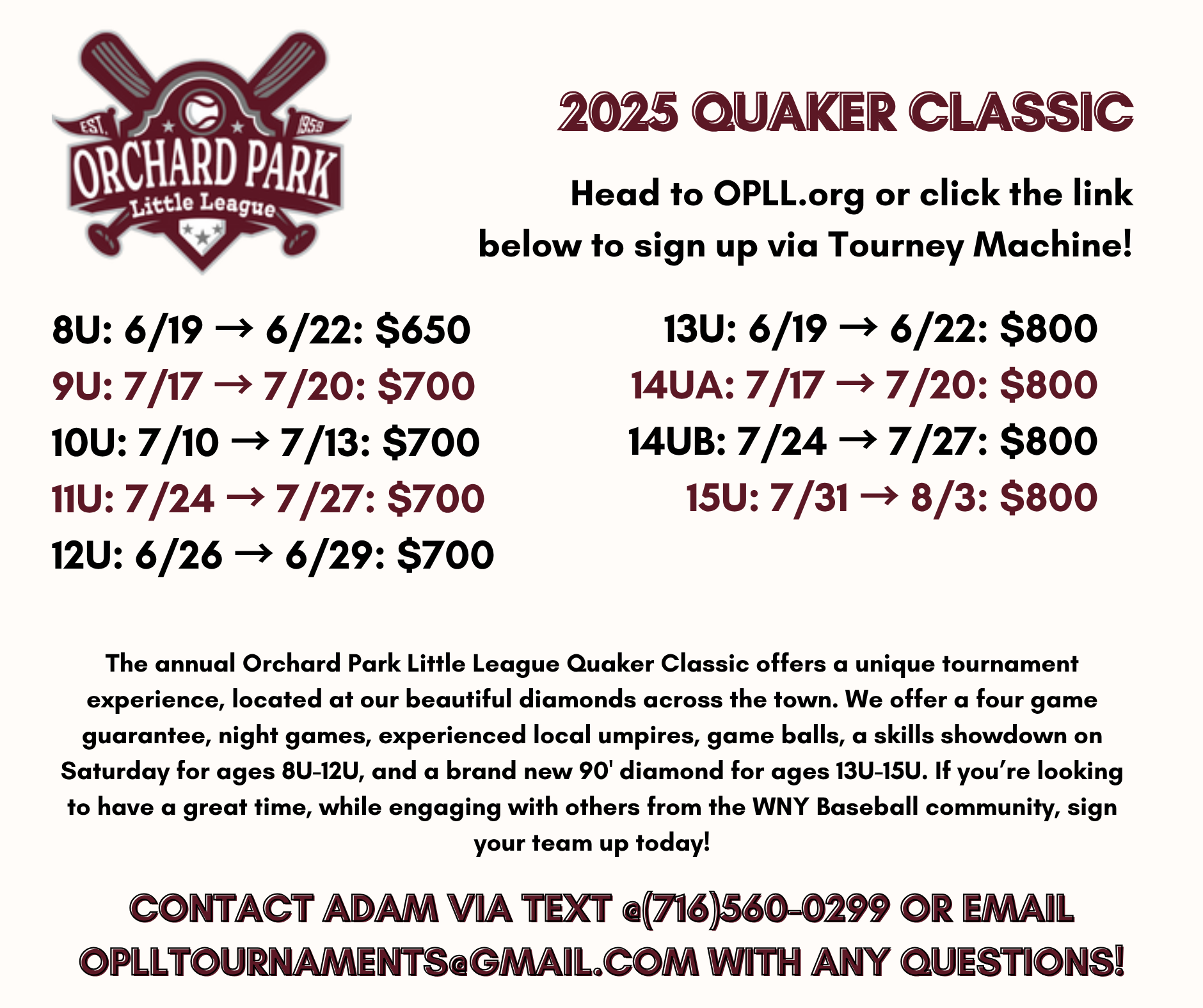
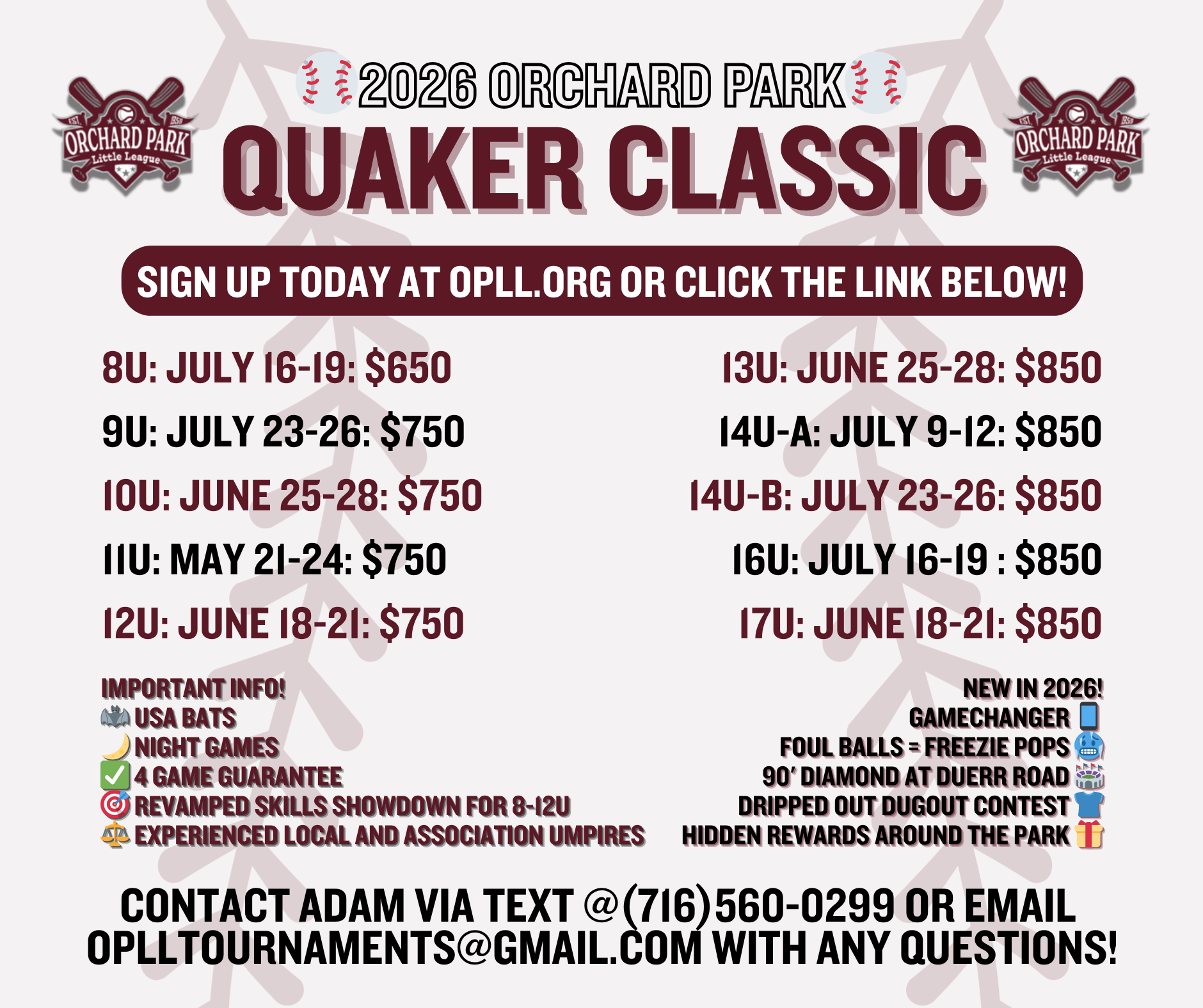
Figure 1
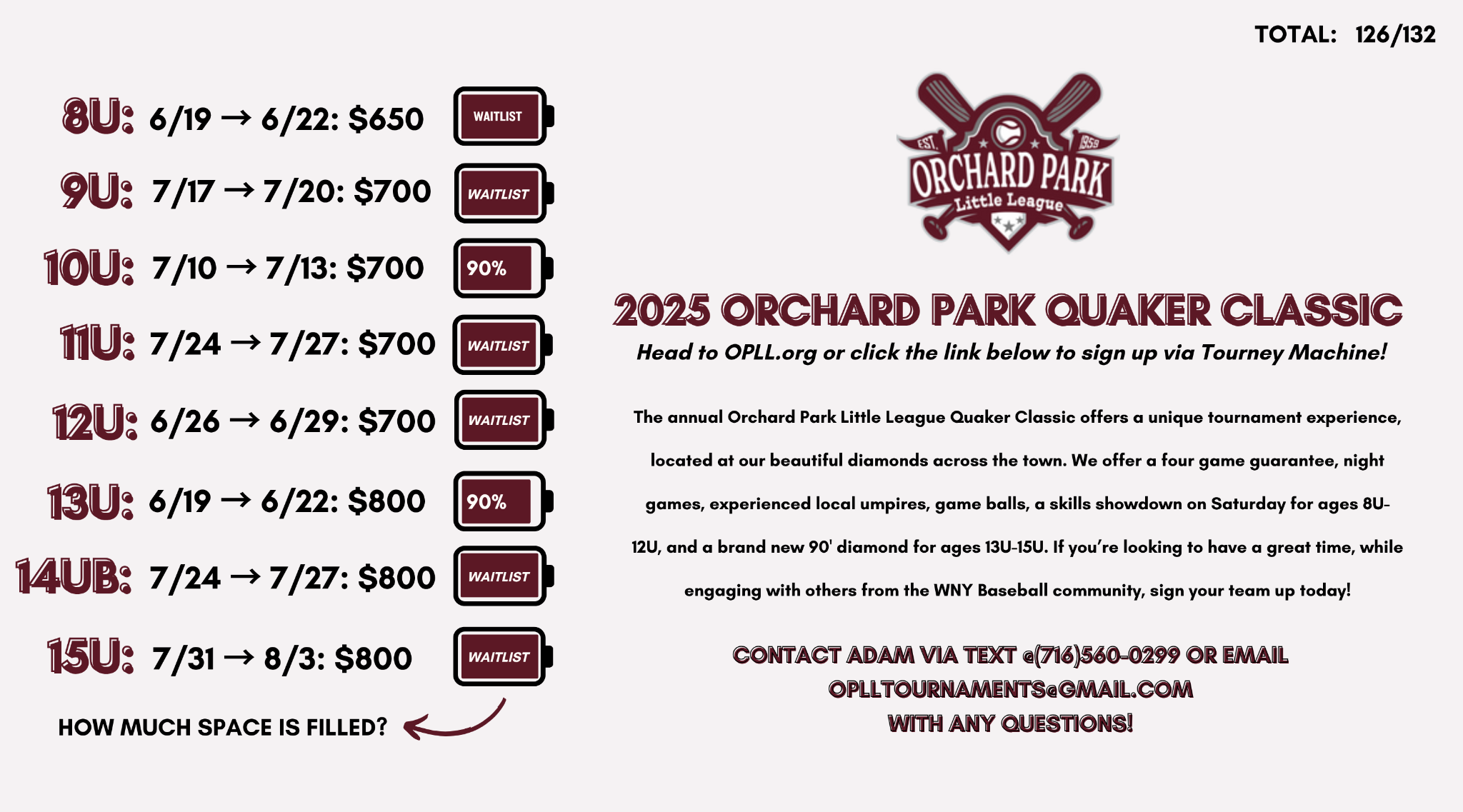
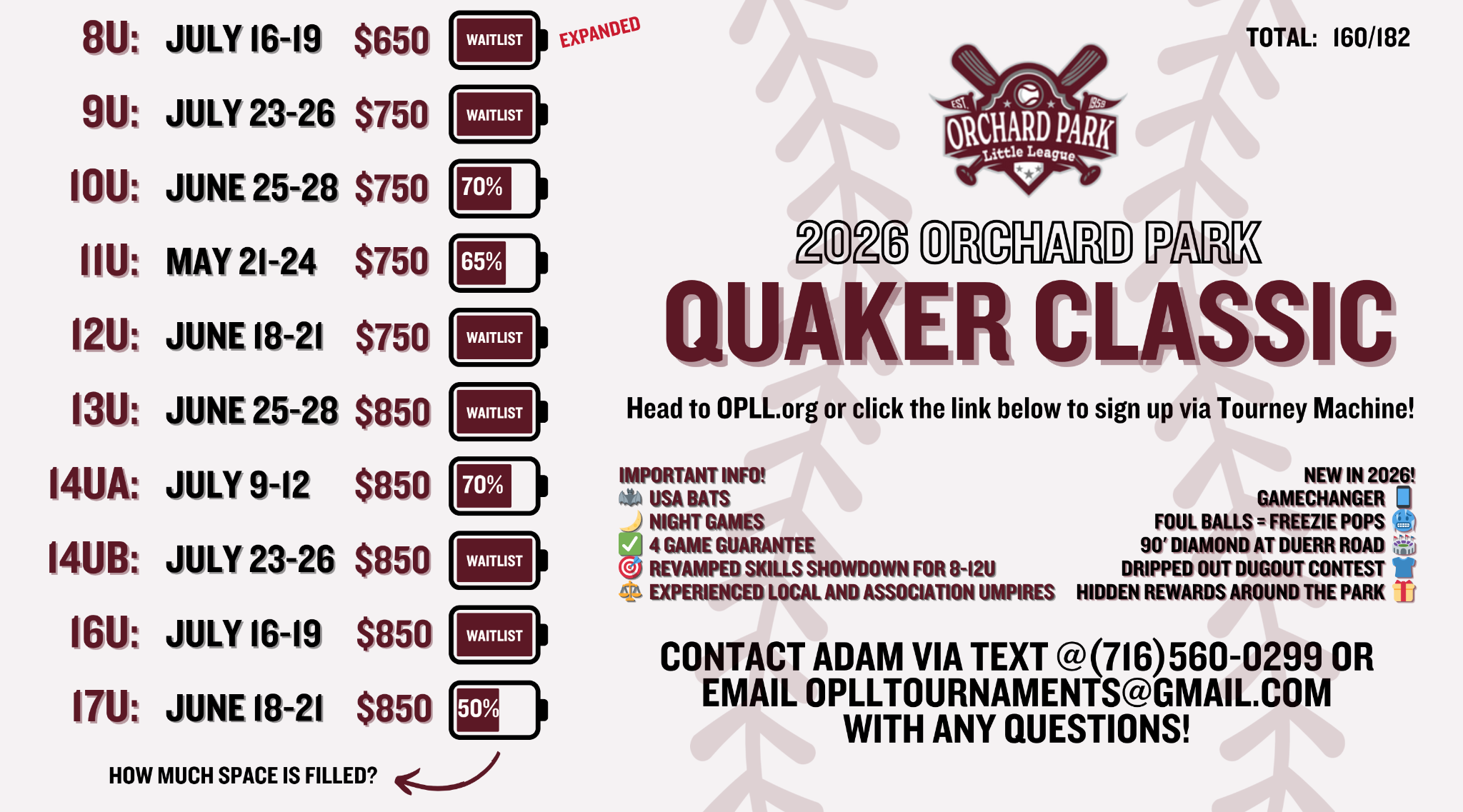
Figure 2